Memory Chip Rally in Micron, SanDisk, SK Hynix Echoes Past Boom-Bust Cycles
Two separate analyses of the memory sector's run-up reach the same historical conclusion: these cycles have always ended, even as commentators argue this one may be different.
Historical patterns in memory-chip cycles suggest today's rally in Micron, SanDisk and SK Hynix will eventually cool, though both reports note structural AI demand could make this cycle longer than past ones.
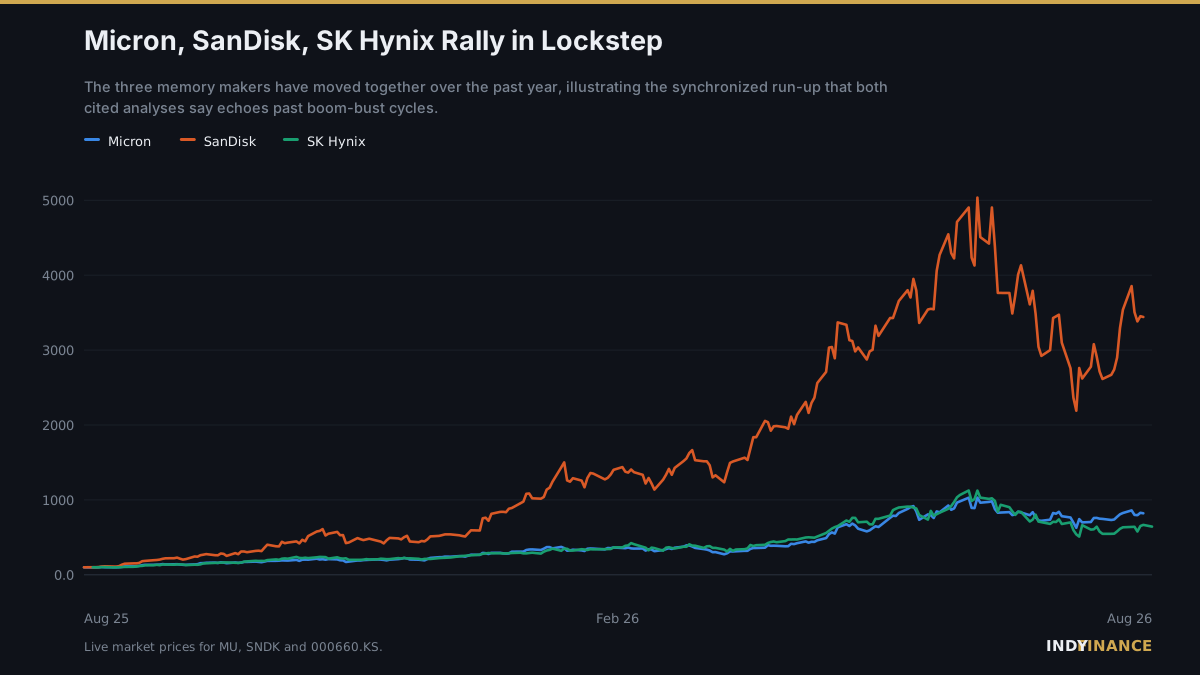
Micron, SanDisk, SK Hynix Rally in Lockstep
The three memory makers have moved together over the past year, illustrating the synchronized run-up that both cited analyses say echoes past boom-bust cycles.
Live market prices for MU, SNDK and 000660.KS.
Use this chart
Free to embed with attribution:
<figure><a href="https://www.indy.finance/news/memory-chip-rally-in-micron-sandisk-sk-hynix-echoes-past-boom-bust-cycles"><img src="https://www.indy.finance/news/memory-chip-rally-in-micron-sandisk-sk-hynix-echoes-past-boom-bust-cycles/graphic.svg" alt="Micron, SanDisk, SK Hynix Rally in Lockstep" width="1200" height="675"></a><figcaption>Micron, SanDisk, SK Hynix Rally in Lockstep — <a href="https://www.indy.finance/news/memory-chip-rally-in-micron-sandisk-sk-hynix-echoes-past-boom-bust-cycles">Indy Finance</a></figcaption></figure>If memory chip spot prices for DRAM or NAND begin falling for two consecutive quarters even as AI datacenter capex remains elevated, that would signal the traditional oversupply cycle is reasserting itself despite AI demand.
- Yahoo Finance — NewsMicron, Sandisk, and SK Hynix: History Says This About the Memory Trio's RallyExternal ↗
- External ↗
Produced automatically by the INDY NEWS Desk from the public wire sources cited above, and checked against them before publication. Market commentary, not investment advice.