Oil prices bounce back after Trump rejects an Iran peace deal
The rebound came alongside a separate report warning that a second US strategic stockpile, beyond crude oil, is also running low.
Oil prices rebounded after President Trump rejected a proposed Iran peace deal, reviving supply-disruption concerns that had eased in recent sessions.
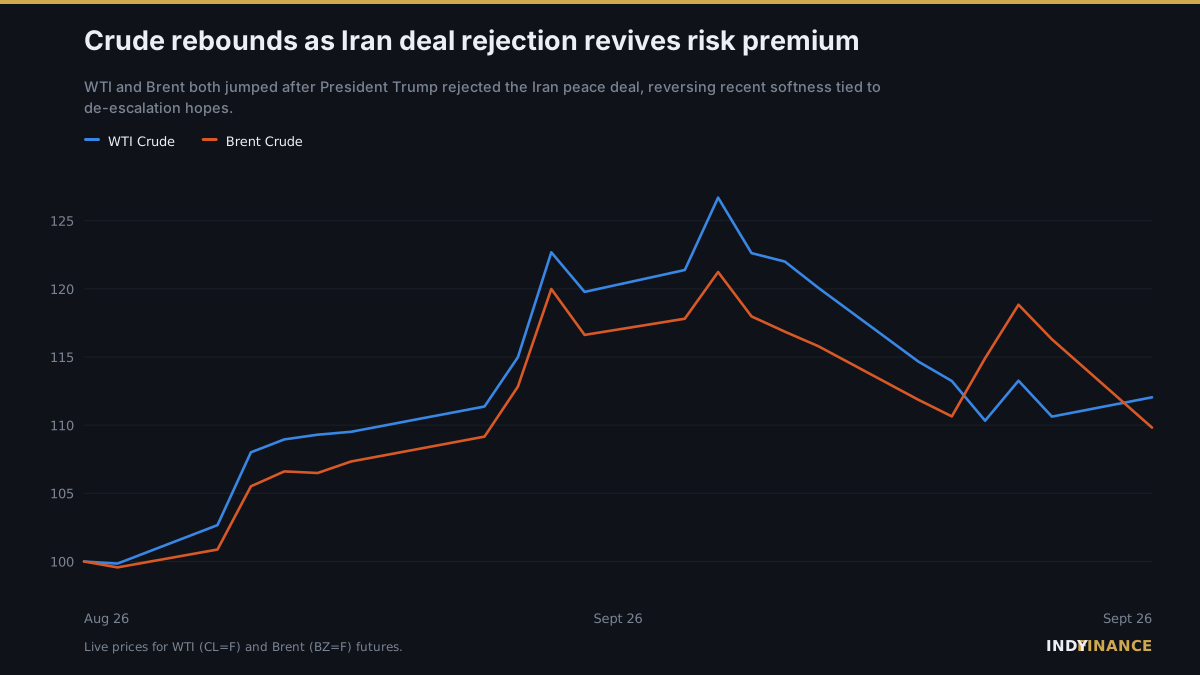
Crude rebounds as Iran deal rejection revives risk premium
WTI and Brent both jumped after President Trump rejected the Iran peace deal, reversing recent softness tied to de-escalation hopes.
Live prices for WTI (CL=F) and Brent (BZ=F) futures.
Use this chart
Free to embed with attribution:
<figure><a href="https://www.indy.finance/news/oil-prices-bounce-back-after-trump-rejects-an-iran-peace-deal"><img src="https://www.indy.finance/news/oil-prices-bounce-back-after-trump-rejects-an-iran-peace-deal/graphic.svg" alt="Crude rebounds as Iran deal rejection revives risk premium" width="1200" height="675"></a><figcaption>Crude rebounds as Iran deal rejection revives risk premium — <a href="https://www.indy.finance/news/oil-prices-bounce-back-after-trump-rejects-an-iran-peace-deal">Indy Finance</a></figcaption></figure>This framing would be wrong if the Trump administration and Iran resume talks and announce a revised deal within weeks, reversing the supply-risk premium now priced into crude.
- Investing.com — All NewsOil rebounds after Trump rejects Iran peace dealExternal ↗
- ZeroHedgeBeyond The SPR: Stifel Spots Another Depleted Strategic Stockpile In Urgent Need Of RebuildingExternal ↗
Produced automatically by the INDY NEWS Desk from the public wire sources cited above, and checked against them before publication. Market commentary, not investment advice.