Rising bond yields have added tens of billions to G7 governments' financing costs since the US-Iran war began
Higher borrowing costs across the world's largest developed economies are compounding pressure on public finances already strained by the conflict.
G7 governments have absorbed tens of billions of dollars in additional debt-servicing costs since the US-Iran war started, according to the Financial Times.
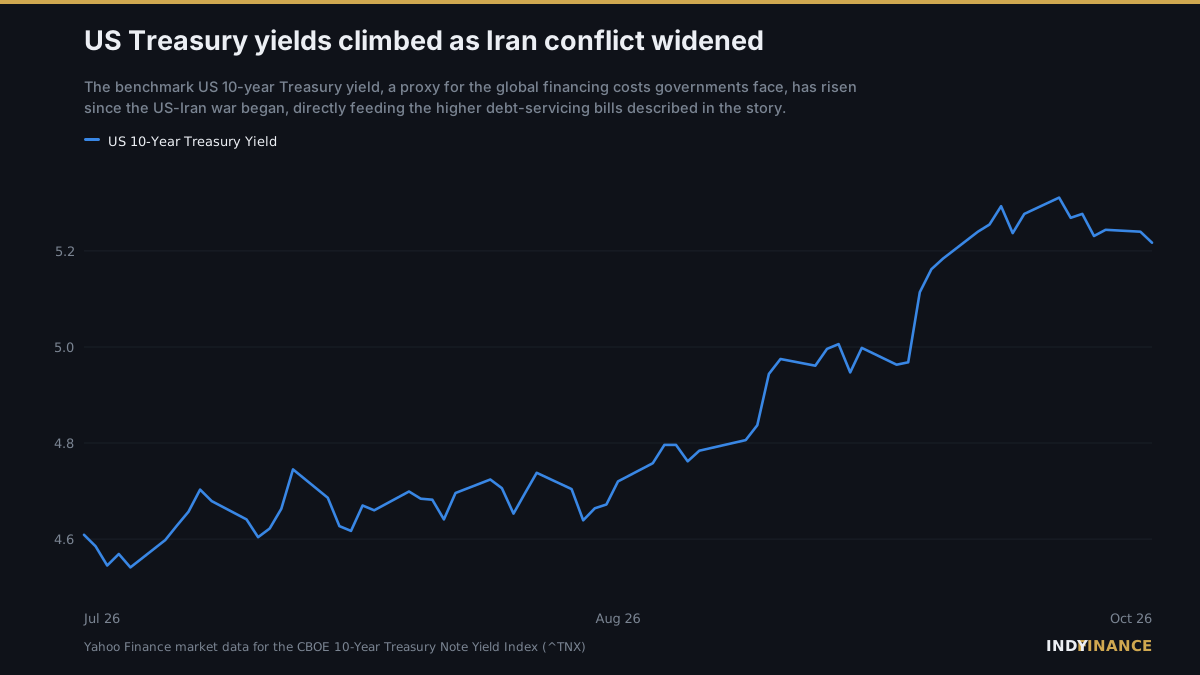
US Treasury yields climbed as Iran conflict widened
The benchmark US 10-year Treasury yield, a proxy for the global financing costs governments face, has risen since the US-Iran war began, directly feeding the higher debt-servicing bills described in the story.
Yahoo Finance market data for the CBOE 10-Year Treasury Note Yield Index (^TNX)
Use this chart
Free to embed with attribution:
<figure><a href="https://www.indy.finance/news/rising-bond-yields-have-added-tens-of-billions-to-g7-governments-financing"><img src="https://www.indy.finance/news/rising-bond-yields-have-added-tens-of-billions-to-g7-governments-financing/graphic.svg" alt="US Treasury yields climbed as Iran conflict widened" width="1200" height="675"></a><figcaption>US Treasury yields climbed as Iran conflict widened — <a href="https://www.indy.finance/news/rising-bond-yields-have-added-tens-of-billions-to-g7-governments-financing">Indy Finance</a></figcaption></figure>If the US-Iran war ends or the Strait of Hormuz reopens to shipping, easing the geopolitical risk premium currently embedded in G7 bond yields, this framing would need revisiting.
- Financial Times — Home (International)Rising bond yields add tens of billions to G7 countries’ debt costsExternal ↗
- Investing.com — All NewsIran insists Strait of Hormuz remains closed as war enters seventh monthExternal ↗
Produced automatically by the INDY NEWS Desk from the public wire sources cited above, and checked against them before publication. Market commentary, not investment advice.