Yen Breaks Past ¥160, Japanese Yields Hit 30-Year High
Hawkish comments from Fed candidate Kevin Warsh at the Jackson Hole gathering pushed traders to price in more monetary tightening, hitting Japanese bonds and the currency together.
The yen weakened past ¥160 per dollar and Japanese government bond yields rose to their highest level in three decades after investors raised bets on tighter monetary policy following the Jackson Hole meeting.
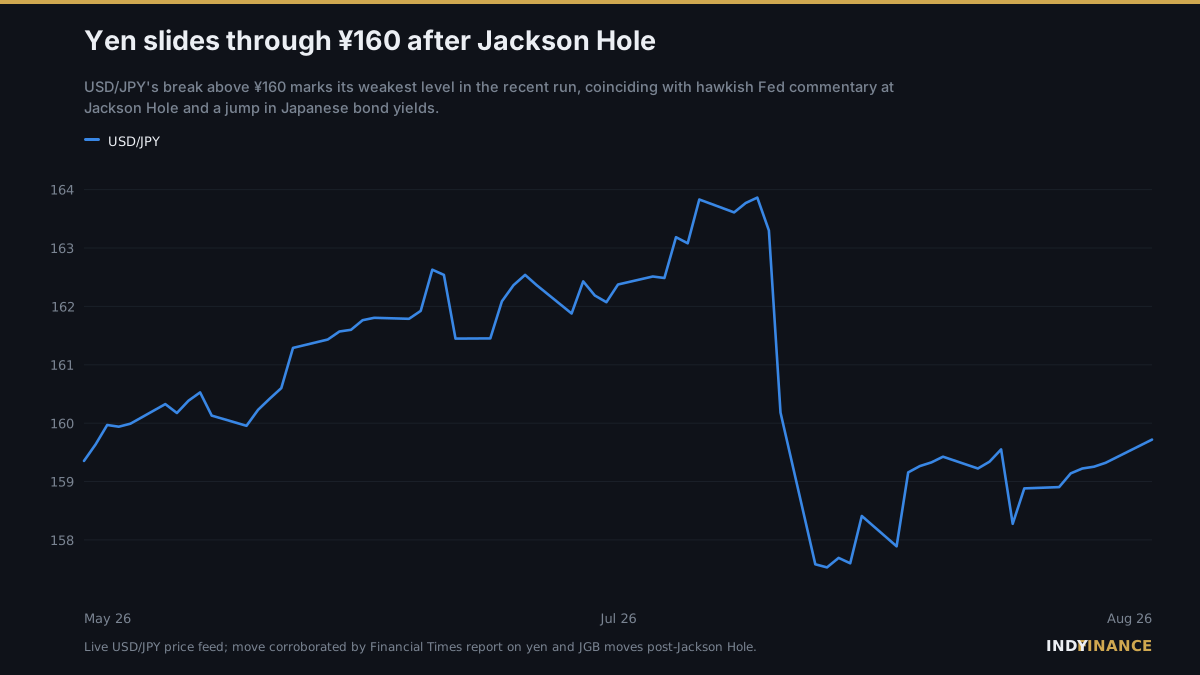
Yen slides through ¥160 after Jackson Hole
USD/JPY's break above ¥160 marks its weakest level in the recent run, coinciding with hawkish Fed commentary at Jackson Hole and a jump in Japanese bond yields.
Live USD/JPY price feed; move corroborated by Financial Times report on yen and JGB moves post-Jackson Hole.
Use this chart
Free to embed with attribution:
<figure><a href="https://www.indy.finance/news/yen-breaks-past-160-japanese-yields-hit-30-year-high"><img src="https://www.indy.finance/news/yen-breaks-past-160-japanese-yields-hit-30-year-high/graphic.svg" alt="Yen slides through ¥160 after Jackson Hole" width="1200" height="675"></a><figcaption>Yen slides through ¥160 after Jackson Hole — <a href="https://www.indy.finance/news/yen-breaks-past-160-japanese-yields-hit-30-year-high">Indy Finance</a></figcaption></figure>If the yen recovers back below ¥160 per dollar or Japanese 10-year yields pull back from their three-decade high in the days following this report, the tightening narrative described here would need to be revisited.
- Investing.com — All NewsGerman yields hit multi-year highs after Warsh’s hawkish toneExternal ↗
- Investing.com — All NewsInvestors heartened by Warsh inflation talk, still uncertain about Fed actionExternal ↗
- Financial Times — Home (International)Japanese bonds and yen come under pressure after Jackson Hole meetingExternal ↗
Produced automatically by the INDY NEWS Desk from the public wire sources cited above, and checked against them before publication. Market commentary, not investment advice.