30-Year Treasury Yield Hits Highest Level Since 2002
Long-dated US government debt extended its slide as inflation worries and rising oil prices pushed borrowing costs to a 24-year high.
The 30-year Treasury yield reached its highest level since 2002 in the September 29 session, as bond prices fell on inflation and oil-price concerns.
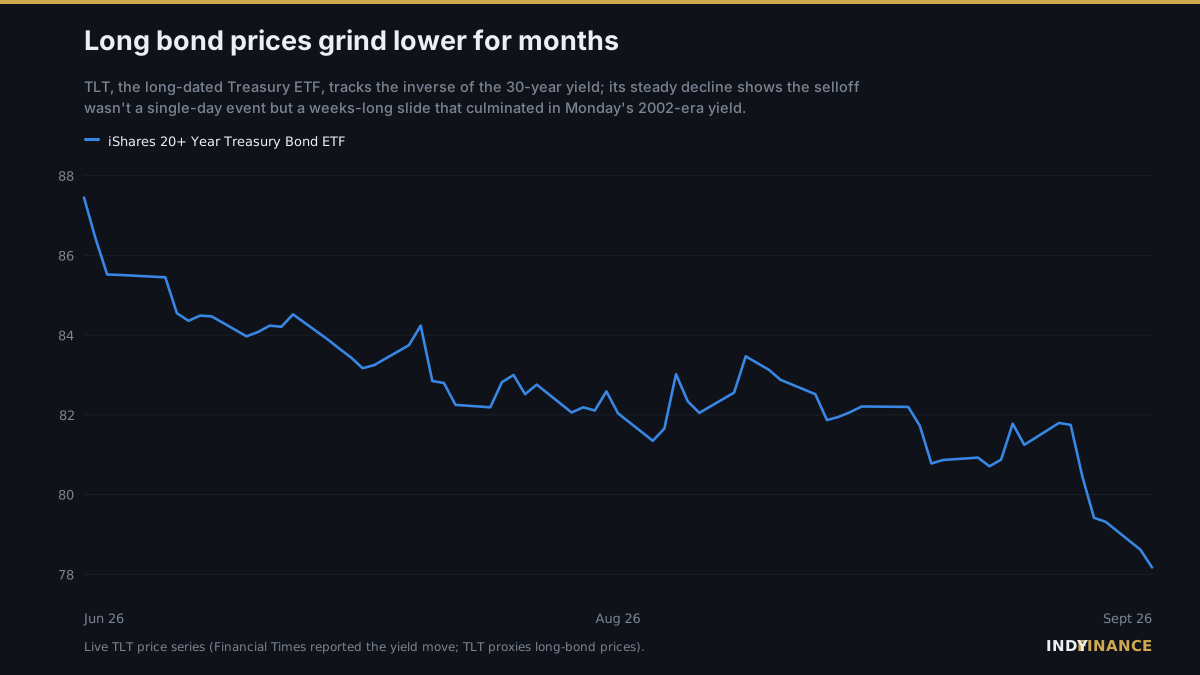
Long bond prices grind lower for months
TLT, the long-dated Treasury ETF, tracks the inverse of the 30-year yield; its steady decline shows the selloff wasn't a single-day event but a weeks-long slide that culminated in Monday's 2002-era yield.
Live TLT price series (Financial Times reported the yield move; TLT proxies long-bond prices).
Use this chart
Free to embed with attribution:
<figure><a href="https://www.indy.finance/news/30-year-treasury-yield-hits-highest-level-since-2002"><img src="https://www.indy.finance/news/30-year-treasury-yield-hits-highest-level-since-2002/graphic.svg" alt="Long bond prices grind lower for months" width="1200" height="675"></a><figcaption>Long bond prices grind lower for months — <a href="https://www.indy.finance/news/30-year-treasury-yield-hits-highest-level-since-2002">Indy Finance</a></figcaption></figure>A reversal would require oil prices to retreat and the next CPI inflation reading to come in below current expectations, easing the pressure pushing long-term yields higher.
- Financial Times — Home (International)US 30-year Treasury yield hits highest since 2002External ↗
- Seeking Alpha — All ArticlesNobody Wants To Catch The Falling Knife As The Bond Market TanksExternal ↗
Produced automatically by the INDY NEWS Desk from the public wire sources cited above, and checked against them before publication. Market commentary, not investment advice.