Bond Traders Bracing For a Jobs Report That Could Push 30-Year Yields Higher
A stronger-than-expected payrolls print could add pressure on the Federal Reserve to raise rates again in October, according to MarketWatch's reading of the setup.
Treasury strategists are watching the upcoming jobs report as a potential trigger for a fresh climb in 10-year and 30-year yields, with a hot print seen as adding pressure on the Fed to hike again in October.
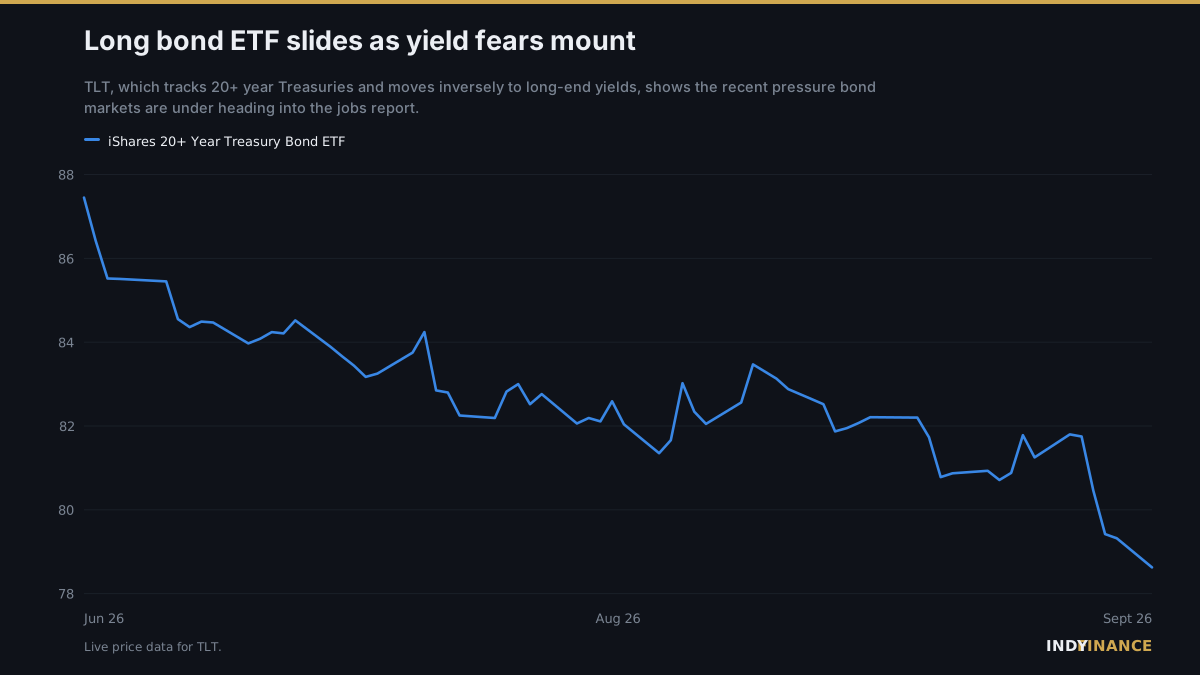
Long bond ETF slides as yield fears mount
TLT, which tracks 20+ year Treasuries and moves inversely to long-end yields, shows the recent pressure bond markets are under heading into the jobs report.
Live price data for TLT.
Use this chart
Free to embed with attribution:
<figure><a href="https://www.indy.finance/news/bond-traders-bracing-for-a-jobs-report-that-could-push-30-year-yields-higher"><img src="https://www.indy.finance/news/bond-traders-bracing-for-a-jobs-report-that-could-push-30-year-yields-higher/graphic.svg" alt="Long bond ETF slides as yield fears mount" width="1200" height="675"></a><figcaption>Long bond ETF slides as yield fears mount — <a href="https://www.indy.finance/news/bond-traders-bracing-for-a-jobs-report-that-could-push-30-year-yields-higher">Indy Finance</a></figcaption></figure>This framing would be wrong if the upcoming jobs report comes in below consensus and yields fall rather than rise, or if the Federal Reserve signals at its October meeting that it will hold rates steady regardless of the data.
- MarketWatch — Top StoriesWhy the upcoming jobs report could send 10-year and 30-year Treasury yields surgingExternal ↗
- Seeking Alpha — All ArticlesAt 5%, I'm Rethinking Every Stock I OwnExternal ↗
Produced automatically by the INDY NEWS Desk from the public wire sources cited above, and checked against them before publication. Market commentary, not investment advice.