UK 30-year gilt yields hit highest since 1998 as European stocks open Q4 lower
Rising borrowing costs across Europe coincided with a looming French budget vote, pressuring the FTSE 100 and broader European equities.
UK 30-year gilt yields rose to their highest level since 1998 on October 1, dragging European stocks lower as investors awaited France's budget announcement.
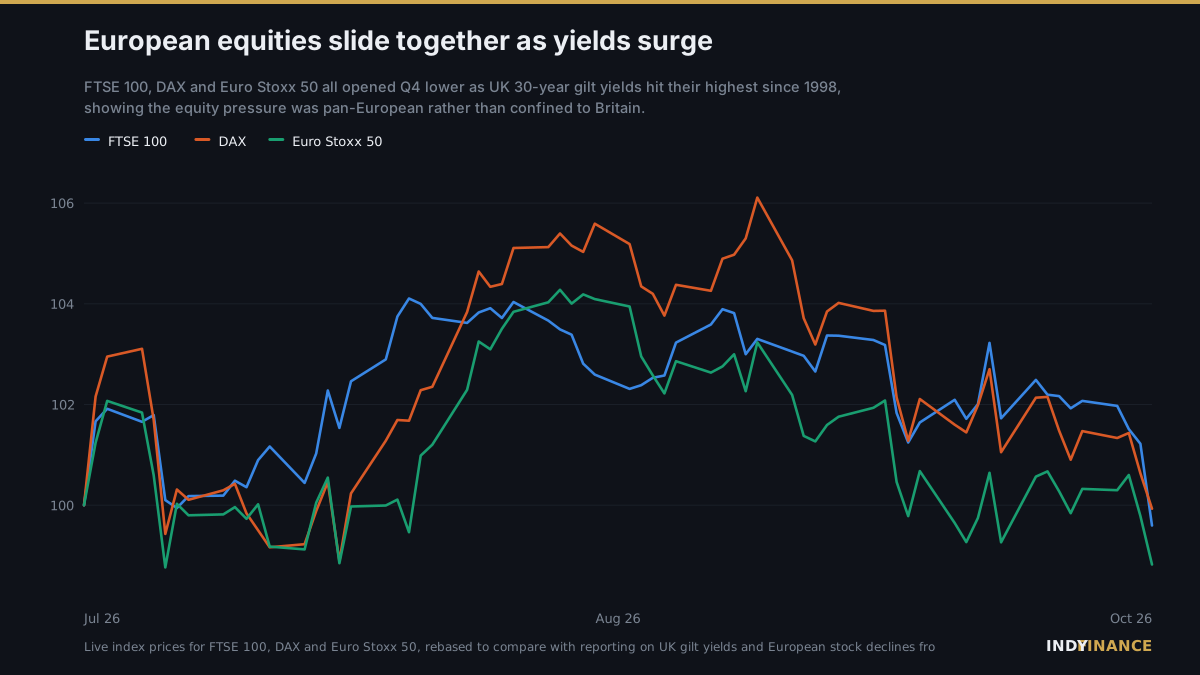
European equities slide together as yields surge
FTSE 100, DAX and Euro Stoxx 50 all opened Q4 lower as UK 30-year gilt yields hit their highest since 1998, showing the equity pressure was pan-European rather than confined to Britain.
Live index prices for FTSE 100, DAX and Euro Stoxx 50, rebased to compare with reporting on UK gilt yields and European stock declines from Investing.com wire items.
Use this chart
Free to embed with attribution:
<figure><a href="https://www.indy.finance/news/uk-30-year-gilt-yields-hit-highest-since-1998-as-european-stocks-open-q4-lower"><img src="https://www.indy.finance/news/uk-30-year-gilt-yields-hit-highest-since-1998-as-european-stocks-open-q4-lower/graphic.svg" alt="European equities slide together as yields surge" width="1200" height="675"></a><figcaption>European equities slide together as yields surge — <a href="https://www.indy.finance/news/uk-30-year-gilt-yields-hit-highest-since-1998-as-european-stocks-open-q4-lower">Indy Finance</a></figcaption></figure>If the French budget announcement includes credible deficit-reduction measures that stabilize eurozone bond yields, the equity pressure described here would likely ease.
- Investing.com — All NewsEuropean stocks slip as Q4 begins on soaring energy and inflation painExternal ↗
- Investing.com — All NewsNetherlands manufacturing growth hits fastest pace since early 2022External ↗
- Investing.com — All NewsSpanish manufacturing returns to growth in September, PMI showsExternal ↗
- Investing.com — All NewsFTSE 100 today: Stocks slide as global bond yields climbExternal ↗
- Investing.com — All NewsUK 30-year gilt yields rise to 1998 highs; French budget dueExternal ↗
- Investing.com — All NewsCzech manufacturing jobs grow at fastest pace since April 2022External ↗
- Investing.com — All NewsEuropean stocks start quarter lower as global yields hit multi-year highsExternal ↗
Produced automatically by the INDY NEWS Desk from the public wire sources cited above, and checked against them before publication. Market commentary, not investment advice.